
Recent POST


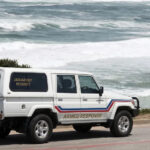

In South Africa, there are seven core types of security guards, classified by PSIRA grades (A to E) and operational specialization: unarmed static guards, armed response officers, VIP close protection officers, mobile patrol units, access control specialists, retail loss prevention guards, and K9 tactical handlers.
Understanding PSIRA Grades and Guard Classifications in South Africa
When securing a residential estate in Sandton, a commercial warehouse in Midrand, or a retail complex in Johannesburg, deploying the wrong tier of personnel leaves critical vulnerabilities. Every legal security officer operating in South Africa must be registered with the Private Security Industry Regulatory Authority (PSIRA).
The industry categorizes officers both by their PSIRA training grade (ranging from Grade E entry-level to Grade A management) and their tactical deployment role. Understanding these distinctions ensures you pay for the exact level of deterrence and rapid intervention your property demands.
1. Armed Tactical Response Officers (Grade C & B)
Armed response officers are the frontline defense against violent crime, hijackings, and perimeter breaches across Gauteng. Unlike static guards who remain at one post, tactical reaction officers operate in high-performance patrol vehicles linked to a 24/7 control room.
- Primary Role: Rapid emergency intervention, alarm verification, and suspect apprehension.
- Equipment: Ballistic vests, PSIRA-accredited firearms, two-way encrypted radios, and GPS-tracked response vehicles.
- Local Advantage: Units work closely with SAPS and local Community Policing Forums (CPFs) to lock down suburbs within minutes of a panic signal.
2. Static Unarmed Security Guards (Grade D & C)
Static guards provide a visible physical deterrent at fixed locations such as office parks, residential complexes, and construction sites. Their presence alone stops opportunistic criminals before they breach your perimeter.
- Primary Role: Perimeter surveillance, visitor logging, and incident reporting.
- Resilience: Equipped with backup power banks and long-range torches to maintain vigilance during Eskom load-shedding blackouts.
3. Access Control & Gatehouse Specialists (Grade C)
High-traffic estates and corporate headquarters in Johannesburg require specialized access control officers. These guards manage biometric scanners, license plate recognition (LPR) systems, and visitor verification protocols to prevent tailgating and unauthorized entry.
4. Mobile Patrol Units (Grade C & B)
For large industrial parks, agricultural holdings, or multi-street residential suburbs, stationary guards cannot cover every blind spot. Mobile patrol units conduct randomized, GPS-verified vehicle patrols to disrupt syndicate surveillance and check vulnerable fence lines.
5. VIP & Executive Close Protection Officers (CPOs)
High-net-worth individuals, corporate executives, and visiting diplomats in Sandton face elevated risks of targeted kidnapping and hijacking. Close Protection Officers undergo advanced defensive driving, threat assessment, and tactical firearm training to provide discreet, 24/7 personal protection.
6. K9 Tactical Dog Handlers
Pairing a trained handler with a patrol or detection dog dramatically increases perimeter security. K9 units excel at patrolling dark, sprawling industrial yards and detecting intruders long before human senses would register a threat.
7. Retail & Commercial Loss Prevention Officers
Deployed inside shopping malls and distribution centers, these officers focus on curbing internal shrinkage, shoplifting, and organized retail syndicate activity while maintaining a welcoming environment for paying customers.
Security Guard Types, PSIRA Grades & Pricing Comparison (ZAR)
Selecting the right guard depends on your property’s threat profile and monthly security budget. Below is a realistic breakdown of commercial and residential guard tiers across Gauteng.
| Guard Type | Typical PSIRA Grade | Primary Threat Focus | Est. Monthly Rate (ZAR) | Best Suited For |
| Unarmed Static Guard | Grade D / C | Opportunistic theft & trespassing | R11,500 – R14,500 | Office parks, complexes, retail |
| Access Control Guard | Grade C | Unauthorized entry & tailgating | R13,000 – R16,000 | Gated estates, corporate hubs |
| Armed Static Guard | Grade C / B | Armed robbery & high-value assets | R18,500 – R24,000 | Warehouses, dealerships, banks |
| Armed Tactical Response | Grade C / B | Emergency panic & perimeter breach | R450 – R950 (Subscription) | Residential homes & SMEs |
| K9 Tactical Unit | Grade C + K9 | Large perimeter intrusion | R22,000 – R28,000 | Industrial estates & farms |
| VIP Close Protection | Grade B / A + CPO | Kidnapping, hijacking & assault | R2,500 – R4,500 (Per Day) | Executives & high-profile clients |
Note: Guarding rates vary based on day/night shift structures, weekend coverage, and specialized site equipment.
What to Look for in a Gauteng Security Provider
Hiring unvetted or non-compliant guards exposes property owners to massive legal liability and security failures. Before signing a contract, verify these essential standards:
- Active PSIRA Registration: Demand proof of both company and individual officer PSIRA certificates.
- Load-Shedding Continuity: Ensure your provider supplies off-grid communication, solar backup for gate motors, and battery-backed alarm monitoring so criminals cannot exploit power cuts.
- Transparent Billing: Partner with a firm offering zero hidden call-out fees and clear Service Level Agreements (SLAs).
- Control Room Integration: Static guards must have direct panic-button links to local armed tactical reaction vehicles.
Frequently Asked Questions (FAQs)
What is the difference between a Grade C and Grade D security guard?
A Grade D security guard is qualified for basic access control, visitor screening, and static patrolling. A Grade C security guard holds higher-level training in threat assessment, asset protection, emergency response, and supervisor-level reporting, making them the standard choice for commercial and estate security in South Africa.
Can any security guard carry a firearm in South Africa?
No. Under the Firearms Control Act and PSIRA regulations, a guard can only carry a firearm on duty if they hold valid competency certificates for business purposes, operate under a PSIRA-registered armed security provider, and carry a company-issued firearm licensed for commercial security use.
Is it better to hire a static guard or armed response for a home?
For most residential properties in Johannesburg and Gauteng, a 24/7 Armed Response subscription paired with perimeter beams and electric fencing offers the highest protection-to-cost ratio. Static armed guards are typically reserved for ultra-high-net-worth residences, diplomatic properties, or active construction sites.
Secure Your Property with Elite Tactical Protection Today
Do not leave your family, staff, or commercial assets exposed to outdated security protocols. At JK Armed Response, we combine PSIRA-accredited guarding personnel with rapid-deployment tactical reaction units across Gauteng—backed by zero hidden call-out fees and 24/7 load-shedding-proof monitoring.
Take control of your perimeter before an incident happens:
- Request a Free On-Site Security Risk Assessment tailored to your property’s exact vulnerabilities.
- Upgrade to 24/7 Armed Tactical Backup with immediate control room integration.
Contact JK Armed Response today to speak directly with a senior tactical security consultant and lock in your customized protection plan.
How Many Types of Security Guard in South Africa? [2026 Guide]
In South Africa, there are seven core types of security guards, classified by PSIRA grades (A to E) and operational specialization: unarmed static guards, armed response officers, VIP close protection officers, mobile patrol units, access control specialists, retail loss prevention guards, and K9 tactical handlers. Understanding PSIRA Grades and Guard Classifications in South Africa When […]

One thought on “How Many Types of Security Guard in South Africa? [2026 Guide]”