
Recent POST



South Africa imported over R3.6 billion worth of solar panels in the first quarter of 2023 alone.
That is a massive investment sitting on our rooftops.
Unfortunately, it has created a shadow industry: a booming black market for stolen solar equipment.
Thieves are targeting residential and commercial properties because panels are high-value, easy to resell, and shockingly easy to remove.
An experienced team can strip a standard residential solar array in under 3 minutes using simple cordless drills.
Most homeowners focus on the cost of the inverter or the battery, completely overlooking the physical security of the panels themselves.
This guide explains why Anti-Theft Clips are the essential first line of defense to break that 3-minute window and protect your energy independence.
The “3-Minute” Vulnerability
Why are panels so easy to steal?
Standard solar installations prioritize speed and ease for the installer.
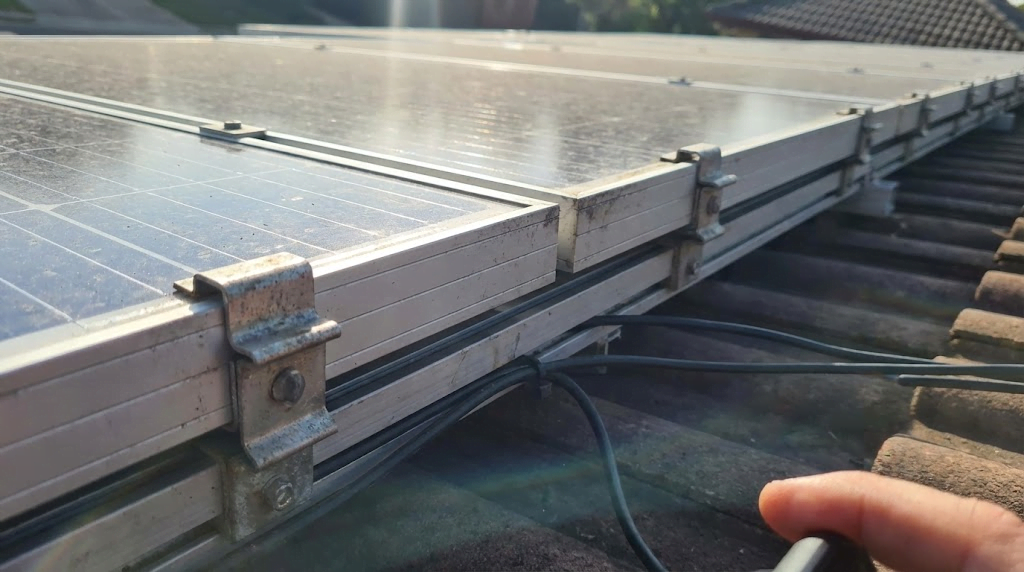
They use standard aluminum mid-clamps and end-clamps fastened with standard 6mm Allen bolts.
A thief only needs a 6mm Allen key or a cordless driver with a hex bit.
They climb up, unscrew the clamps silently, disconnect the MC4 cables, and slide the panels out.
It is quiet. It is fast. And it usually happens during load shedding when streetlights are out and neighborhood noise is low.
This is where anti-theft clips change the game.
What Are Anti-Theft Clips?
Anti-theft clips are specialized fasteners designed to replace or secure your standard mounting clamps.
They are not just “tighter” screws; they use mechanical engineering to prevent removal with standard tools.
There are three main types commonly used in effective South African security setups:
1. Shear Nuts (The Gold Standard)
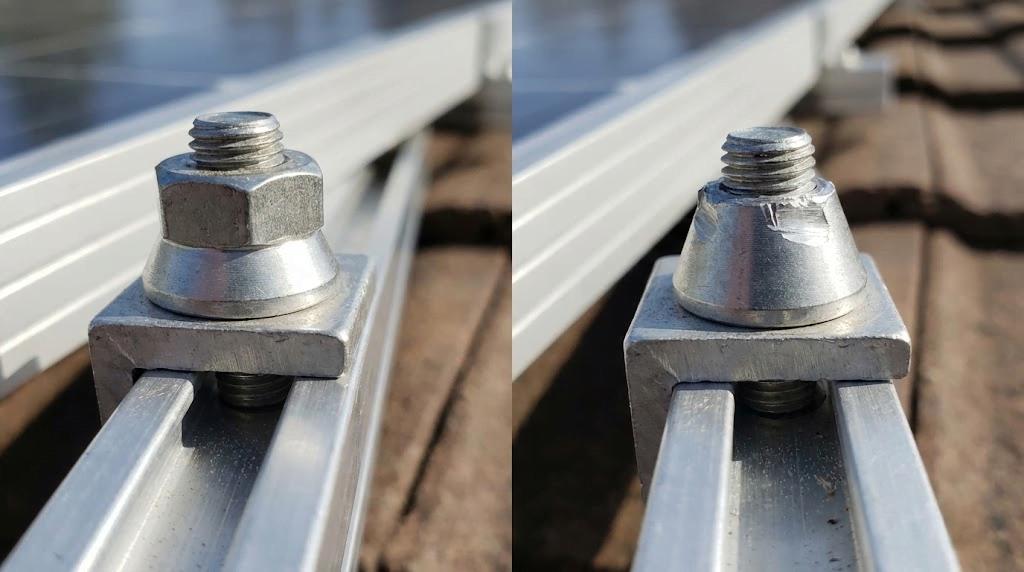
This is the most effective mechanical deterrent. A shear nut has a hexagonal head that you use to tighten the bolt. Once you reach a specific torque (tightness), the hex head snaps off completely. What remains is a smooth, conical dome that cannot be gripped by pliers, wrenches, or shifters. To remove this, a thief needs an angle grinder or a drill—both of which are noisy and time-consuming.
Note: SeeShear Nuton Wikipedia for more on how these permanent fasteners work in various industries.
2. Tamper-Proof Torx Screws
These look like standard screws but have a pin in the center of the drive head. A standard screwdriver or bit cannot fit into the screw head. While better than nothing, determined thieves can sometimes carry these specialized bits. They are good for low-risk areas but less secure than shear nuts.
3. Slide-Lock Clamps
These are physical metal sleeves or frames that slide over the panel frame and the rail. They lock the panel to the rail without accessible bolts from the top. They often require the removal of the entire array to get to the middle panels.
Why Standard Mounting Is a Security Risk
Your installer likely used standard aluminum clamps.
These are designed to hold the panel against wind, not criminals.
If you look at your roof, you will see silver or black clamps between your panels.
If those clamps have a visible hexagonal hole in the bolt, your system is vulnerable.
Thieves know this. They scout neighborhoods looking for these standard clamps because they guarantee a quick getaway.
The Noise Factor: The biggest enemy of a thief is noise. Removing standard clamps is silent. Removing anti-theft clips requires force. Using an angle grinder on a roof at 2 AM screams “crime in progress.” Most opportunistic thieves will abandon a target the moment they realize they need power tools.
The Reality: Hardware Alone Is Not Enough
We need to be honest with you.
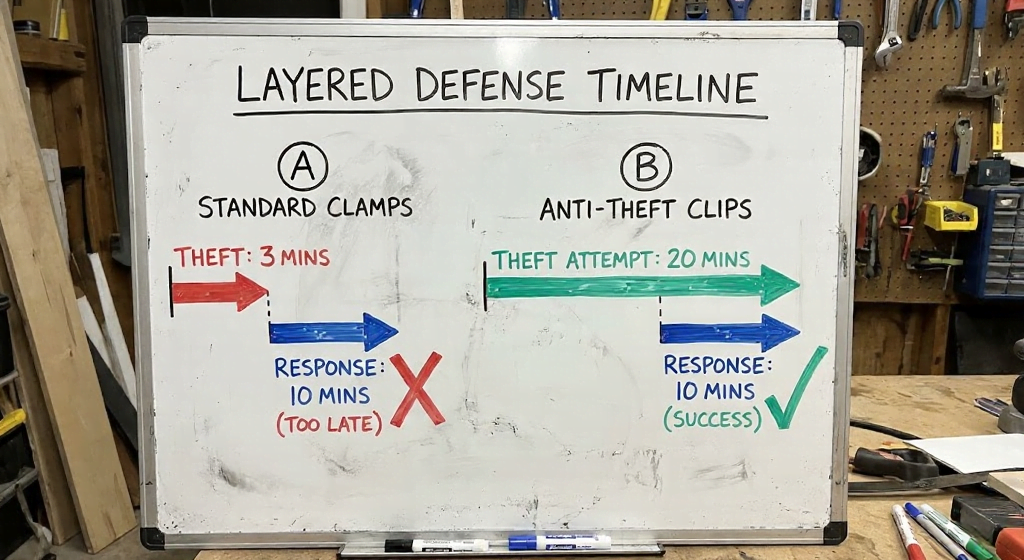
If a thief has unlimited time, a battery-powered angle grinder, and no fear of being caught, they will get your panels. Anti-theft clips are not a magic forcefield. They are a Delay Mechanism.
Their job is to turn a 3-minute silent theft into a 20-minute noisy struggle. But a 20-minute delay is useless if nobody is listening or responding. This is where the hardware meets the service.
The JK Armed Response Solution: Layered Defense
At JK Armed Response, we view solar security as a three-layer system. You cannot rely on just one layer. You need the Delay, the Detection, and the Response.
Layer 1: Delay (The Clips) We advise installing high-grade shear-nut clips on every solar panel. This forces the thief to make noise and spend time on your roof. They cannot just “grab and go.”
Layer 2: Detect (The Beams) While they are struggling with the shear nuts, they are triggering your detection systems. We recommend installing outdoor passives or strip beams specifically aimed at the roof access points. These beams detect movement long before the thief has managed to grind off a single clip.
Layer 3: Respond (JK Armed Response) This is the critical closer. Because the clips have delayed the thieves, our patrol vehicles have time to arrive. In a standard theft, the thieves are gone before the alarm company calls you. With anti-theft clips, the thieves are still on the roof, struggling with the bolts, when our armed response team pulls up.
Installation & Insurance: What You Need to Know
The financial risk is just as real as the security risk. Many South African insurers are changing their policies regarding solar. Some now require proof of anti-theft mechanisms to pay out a theft claim. If your policy states you must have “reasonable security measures” and you only used standard clamps, they might reject your claim.
Can I retrofit them? Yes. You do not need to reinstall your whole system. Anti-theft clips (specifically shear nuts) can usually be retrofitted to existing rails. We recommend replacing the standard clamps one by one to ensure panels don’t slide during the process.
The “Sacrificial” Strategy You don’t necessarily need shear nuts on every single clamp if you are on a budget. Placing them on the four corners of the array and random points in the middle makes the whole array difficult to remove. However, for maximum security, replacing all user-accessible clamps is the best practice.
Frequently Asked Questions
Do anti-theft clips void my panel warranty? Generally, no. Most clips clamp onto the aluminum frame of the panel, not the glass or the electronics. They do not alter the panel itself. However, always check with your specific panel manufacturer.
Can I install them myself? Technically, yes, but we advise against it. Over-tightening shear nuts can crack the solar glass. Under-tightening them can leave panels loose in high winds. Professional installation ensures the correct torque is applied before the nut shears off.
What if I need to move house? This is the trade-off of security. If you move, you will need a specialized removal tool or you will need to carefully grind the nuts off. This difficulty is exactly what makes them effective against thieves.
Conclusion
Do not leave your R100,000+ investment protected by a R5 standard clamp. The cost of anti-theft clips is a fraction of the cost of replacing your system and repairing roof damage.
But remember: Delay needs Response.
Looking to secure your solar investment? Contact JK Armed Response for a site assessment. We can advise on the best physical barriers and link your roof security directly to our 24/7 control room.
Secure your power. Secure your home. Visit jkarmedresponse.co.za today.
Anti-Theft Clips for Solar Panels: Do They Actually Work?
South Africa imported over R3.6 billion worth of solar panels in the first quarter of 2023 alone. That is a massive investment sitting on our rooftops. Unfortunately, it has created a shadow industry: a booming black market for stolen solar equipment. Thieves are targeting residential and commercial properties because panels are high-value, easy to resell, […]

One thought on “Anti-Theft Clips for Solar Panels: Do They Actually Work?”