
Recent POST



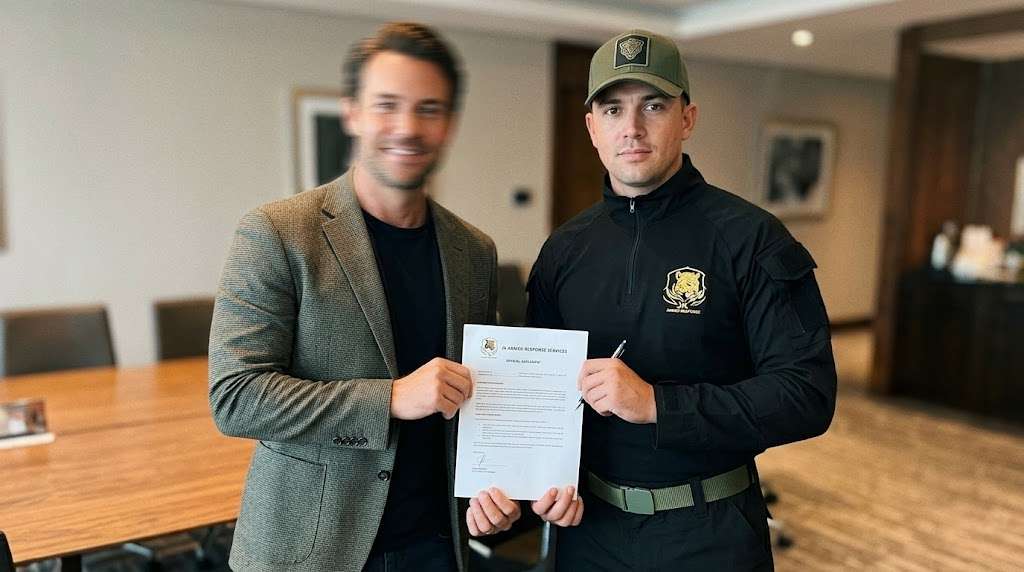
Private companies face massive financial and operational risks when issuing generic security tenders. Vague tender documents attract non-compliant, “fly-by-night” security providers. This leaves the issuing business legally exposed. It also leaves facilities physically vulnerable to sophisticated criminal threats. A private company security tenders highly specific Request for Proposal (RFP) acts as a strict, necessary filter. It automatically disqualifies unqualified bidders before they even submit a pricing schedule.
The core of a successful tender lies in strict, non-negotiable compliance requirements. Procurement managers must demand active Private Security Industry Regulatory Authority (PSIRA) registration. This registration must be verified for both the company and its deployed personnel. Compensation for Occupational Injuries and Diseases (COID) compliance is equally critical for liability protection. You must also include site-specific tactical requirements to move beyond basic access control.
Simply stating “we need a guard at the gate” is a dangerous procurement strategy. It results in standard deployments that fail entirely during high-risk, tactical emergencies. To protect your corporate assets, you must structure your private company security tenders to demand proven operational competence. The following sections outline the exact framework required to draft a bulletproof, liability-free security RFP.
Mandatory Legal & Compliance Requirements (The Non-Negotiables)
According to private security industry statistics, South Africa has over 11,000 active security providers. However, a significant portion operate without full regulatory and labor compliance. Hiring a non-compliant security provider transfers direct legal liability to your private company. If an unregistered guard uses unauthorized force on your premises, your business faces the civil claim.
Therefore, your tender document must explicitly list mandatory regulatory submissions. Require a current Letter of Good Standing from PSIRA as a primary gateway. Do not accept expired documents or promises of pending renewals under any circumstances. This ensures every officer stepping onto your site is legally vetted.
COID compliance is another absolute necessity for your tender framework. Armed response officers face high-risk situations daily. If an officer is injured on your property and their employer lacks COID, your company could be held liable. You may be forced to cover their medical and compensation costs. Make COID proof a phase-one disqualification criteria.
Furthermore, if your tender involves integrated technical security, demand the right certifications. Require Electrical Certificates of Compliance for any installed alarm systems. Demand the same for motorized gate motors or CCTV network integrations. This vital step protects your facility’s insurance warranties from being voided.
Structuring the Scope of Work (SOW) for Real-World Threats
A generic Scope of Work (SOW) is the most common failure point in private company security tenders. Procurement teams often copy and paste old tender documents to save time. This results in outdated security postures that cannot handle current criminal tactics. Your SOW must accurately reflect the specific daily threats of your operational environment.
Demand area-specific intelligence from your bidders. A security company operating effectively in a quiet suburb may fail completely in high-traffic commercial nodes. If your business operates near Fordsburg, Dragon City, or the Durban logistics routes, demand local expertise. Bidders must demonstrate they deeply understand local syndicates and traffic patterns.
Next, define the required tactical capabilities clearly in the tender document. Specify the exact protocols you expect for high-risk, violent scenarios. This includes detailed operational requirements for kidnapping prevention. It should also outline VIP protection for executives and armed escort protocols for high-value cargo.
Personnel diversity is also a critical legal and operational requirement. Your SOW must outline the need for a balanced deployment of both male and female security officers. Legal physical search protocols dictate that female personnel must search female staff and visitors. Failing to specify this in your tender will lead to operational bottlenecks and potential harassment liabilities.
Assess the actual on-the-ground history of the operational commanders. The tender should require detailed CVs of the tactical managers who will oversee your site. Do not base decisions solely on the profiles of the sales directors. Look for deep, specialized expertise in problem-solving complex security breaches.
Measure authoritativeness and trust through verifiable track records and data. Do not accept vague promises of “fast response” during emergencies. Your tender must demand proof of actual, logged response times. Look for agencies that consistently achieve under 5-minute response times for armed call-outs.
Bypassing the Tender Process: Direct Procurement with JK Armed Response
Open tenders are notoriously time-consuming and resource-heavy for procurement departments. They often delay urgent, critical security deployments. Procurement managers waste weeks wading through piles of non-compliant paperwork. The most efficient solution is partnering directly with a pre-vetted, fully compliant provider.
JK Armed Response eliminates the administrative burden of open tenders. We already meet and exceed every rigorous compliance metric required by corporate procurement teams. Our active PSIRA standing and COID compliance records are immediately available. We streamline your vendor onboarding process safely and legally.
- We provide technical, problem-solving security frameworks tailored directly to your facility.
- We do not rely on aggressive sales hype.
- We rely strictly on operational facts and proven tactical strategies.
Our teams possess deep area-specific intelligence across Johannesburg, including Fordsburg and Dragon City.
We offer a fully integrated, turnkey approach to your corporate security. This includes deploying highly trained male and female personnel to ensure all legal search protocols are strictly met. We back this static guarding with rapid mobile armed response and strategic threat prevention.
Stop wasting valuable corporate hours drafting complex, generic tender documents. Bypassing the lengthy RFP process by directly appointing a verified authority ensures immediate protection. Contact JK Armed Response at jkarmedresponse.co.za today.
Private Company Security Tenders and Supplier Selection
Private companies face massive financial and operational risks when issuing generic security tenders. Vague tender documents attract non-compliant, “fly-by-night” security providers. This leaves the issuing business legally exposed. It also leaves facilities physically vulnerable to sophisticated criminal threats. A private company security tenders highly specific Request for Proposal (RFP) acts as a strict, necessary filter. […]

One thought on “Private Company Security Tenders and Supplier Selection”