
Recent POST




Security protects your home, family, business, and data from immediate harm. In 2025, burglaries still occur at scale even after an 18% global drop since 2020. Cyber breaches cost organizations an average of $4.88 million each. Police response times average 5 to 10 minutes in most areas. Armed response teams often arrive faster when on-site or contracted locally.
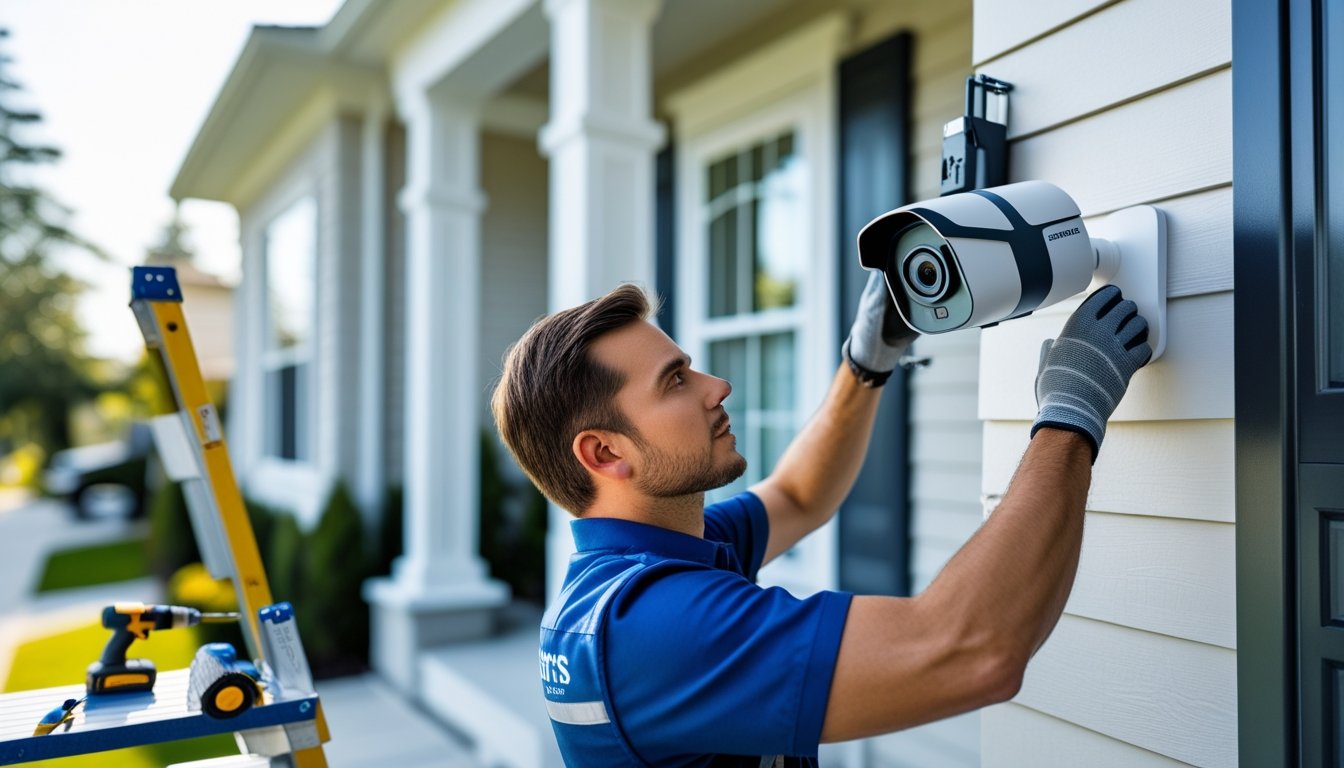
How to Install Home Security Cameras Like a Pro.
These numbers come from real FBI data and IBM reports. They show one fact clearly: delays create losses. Physical break-ins hit properties with weak perimeters first. Personal threats target routines that leave people exposed. Business theft drains cash flow in under 60 seconds. Cyber attacks exploit one weak click. Armed response cuts those gaps when standard help arrives too late.
This guide lists the exact problems, then gives step-by-step fixes. No fluff. You get checklists, cost tables, and decision points that work in high-risk zones like Faisalabad or anywhere else.
The 5 Most Common Security Problems People Face (and Why Most Solutions Fail)
Problem one hits homes hardest. Burglars scout easy targets in under two minutes. They pick unlocked gates, dark corners, or no visible cameras. In Pakistan, the burglary rate sits at 9.72 per 100,000 people, but one successful hit wipes out valuables worth months of income.
Problem two involves personal safety. Street crime or armed robbery spikes during travel or late hours. Women, children, and elderly face higher risks because routines create predictable windows.
Problem three is cyber. Phishing and ransomware now cost the world $10.5 trillion yearly by 2025. One fake email can empty a business account before lunch.
Problem four is slow response. Police handle thousands of calls daily. Average arrival exceeds five minutes. In active incidents, those minutes decide outcomes.
Problem five is false confidence. Cheap alarms or unmonitored cameras create a sense of security that fails in real tests.
Run this quick check right now: Count how many of your entry points stay visible at night. Note if your phone alerts go to you first or a monitoring center. Fix the gaps you spot before the next section.
Physical Security: Stop Intruders Before They Reach You
Start with a seven-point risk scan. Check fences for gaps. Test outdoor lights for blind spots. Review gate locks for easy bypass. Look at signage that says nothing about response. Scan for overgrown bushes near windows. Count visible valuables from the street. Test if your camera app gives instant alerts or just records later.
Layer defenses in order. Perimeter first: motion lights and clear sight lines cut break-in attempts by half in studies. Access control next: smart locks with app logs beat traditional keys. Monitoring last: real cameras with AI alerts outperform dummy units every time.
Armed response fits here when layers fail. Teams on contract reach sites in under three minutes in many urban setups. That beats average police times in most cities. Integrate it by testing your alarm connection to a verified control room.
Compare costs simply. Basic DIY alarm kits run $200–500 upfront but need monthly monitoring to matter. Full professional systems with armed backup add $50–150 monthly yet reduce losses by 60–70% in documented cases. Choose based on your risk level, not price alone.
Personal and Family Security: Protect People, Not Just Property
Daily habits cut risks fast. Walk with purpose. Avoid phone distraction at ATMs. Lock doors immediately after entry. Teach kids one safe word for emergencies. Plan family check-ins during travel.
Women face specific threats during commutes or alone at night. Simple changes like varied routes and personal alarms help. Elderly need fall detection paired with response. Children learn stranger rules early.
Create a family plan in one evening. Pick a meeting spot outside. Set a group chat for alerts. Run one drill monthly. These steps reduce panic when seconds count.
Call JK armed response for exact scenarios. Late-night returns with cash. High-crime routes. Family members with medical needs. The on-site presence changes the equation.
Business Security: Prevent Losses That Kill Cash Flow
Small businesses lose most from internal theft and quick break-ins. Warehouses see supply-chain gaps. Retail faces shoplifting spikes after hours.
Run this audit weekly. Check employee access logs. Secure cash points with timed safes. Install visible cameras at entry and exit. Pair physical locks with basic inventory software.
Combine physical and cyber. USB drops carry malware as often as cash. Tailgating lets intruders walk in behind staff. One integrated plan stops both.
Professional services pay back in 6–12 months. Reduced theft plus insurance discounts cover the fee. Track your numbers before and after to see the difference.
Cybersecurity Basics Every Non-Tech Person Needs
Cyber now touches every device you own. Start with five daily actions. Use unique passwords over 12 characters. Enable two-factor on every account. Update apps the day patches drop. Spot phishing by hovering over links first. Never click urgent bank alerts from email.
Free tools work if you pick right. Browser password managers beat sticky notes. Built-in phone encryption beats none. Avoid bloatware that slows devices.
Physical and cyber overlap daily. A lost USB can leak client data. An open door lets someone plant a device. Treat both as one system.
How to Choose and Implement the Right Security Solution
Match solution to risk. Low-risk homes need basic monitored alarms. High-risk businesses add 24/7 armed teams. Factor location, budget, and insurance rules.
Red flags when hiring: no local response proof, vague contracts, or no test runs. Ask for response-time logs and insurance details upfront.
Roll out in 30 days. Week one: audit and perimeter fixes. Week two: install cameras and locks. Week three: test monitoring and drills. Week four: add armed response if needed.
Check legal coverage. Most policies exclude gaps in response time. Fill them with written service agreements.
Real Results: Case Studies from High-Risk Areas
One family in a busy neighborhood cut break-in attempts to zero after adding layered lights, smart locks, and armed response. Losses dropped from three incidents in two years to none.
A small retail shop in an urban zone lost stock monthly until cameras plus on-site guards changed the pattern. Theft stopped within the first month. Revenue stabilized.
A business owner with late cash runs switched to contracted armed escorts. Incidents ended. Peace of mind returned. These outcomes repeat when plans match real threats.
Security covers every layer from locks to rapid teams. The definition stays the same: freedom from danger and fear.

Overnight Security Guards: Ensuring 24/7 Business Protection
Conclusion & Next Steps
Security equals assessment plus layers plus rapid response. Start with the checklist above. Fix one gap today. Add professional support when your setup shows limits.
Run your own risk scan now. Contact a verified armed response provider for a no-pressure quote if delays worry you. One call can close the gap that statistics keep proving exists.
FAQ
What does “security” actually mean in everyday life? It means practical steps that stop harm before it starts and limit damage when it does.
Is armed response worth it for homes or businesses? Yes, when police times exceed your risk window. Real data shows faster arrival reduces losses.
How much does professional security cost? Basic monitoring starts at $30–50 monthly. Full armed packages range $80–200 depending on coverage hours and site size.
Can one system cover both physical and digital threats? It can when you integrate cameras, alerts, and access logs with basic cyber rules. No single gadget does everything alone.
What should I do right now if I feel unsafe? Lock up, run the seven-point scan, and test your emergency contacts. Then decide on the next layer.
Security: Complete Guide to Real Threats and Practical Protection
Security protects your home, family, business, and data from immediate harm. In 2025, burglaries still occur at scale even after an 18% global drop since 2020. Cyber breaches cost organizations an average of $4.88 million each. Police response times average 5 to 10 minutes in most areas. Armed response teams often arrive faster when on-site […]
