
Recent POST


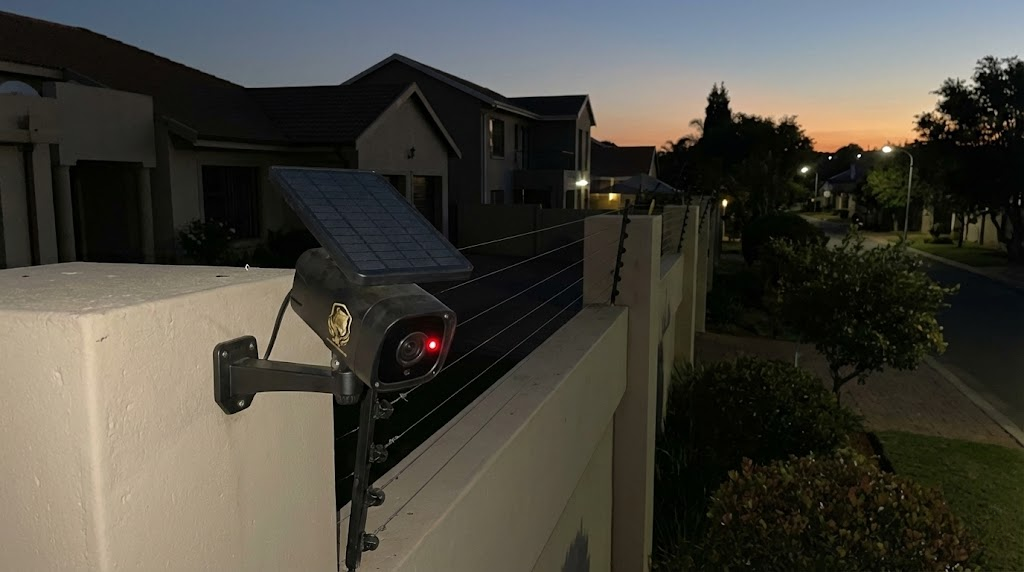
Crime in South Africa requires businesses, estates, and homeowners to utilize robust cctv popia compliance requirements south africa to protect their assets. However, the Information Regulator strictly enforces the Protection of Personal Information Act (POPIA) across the country. Operating non-compliant security cameras carries severe penalties, including administrative fines of up to R10 million or 10 years imprisonment. You absolutely need surveillance for safety, but you must operate it legally.
Footage of identifiable individuals is legally classified as personal information under South African data privacy laws. To remain compliant, CCTV operators must meet strict regulatory conditions before recording a single frame. These non-negotiable requirements include installing highly specific physical signage, restricting camera angles, physically securing recording equipment, and enforcing strict data retention limits.
Most businesses fail compliance simply by using generic warning signs or pointing cameras into private spaces. The law does not ban security cameras, but it strictly regulates how you collect, store, and share surveillance footage. We will cut through the complex legal jargon right now to solve this problem. Let us break down the exact legal requirements for your cameras so you can secure your premises without risking massive fines.
The Myth: Are CCTV Cameras Illegal Under POPIA?
Many property owners worry that modern privacy laws have made surveillance cameras illegal. This is a complete myth. POPIA does not ban the use of CCTV cameras anywhere in South Africa.
The law simply categorizes footage of an identifiable person as personal information. This means your data collection practices must satisfy specific legal conditions to remain lawful. You certainly do not need written consent from every single person who walks past your property.
Instead of consent, you rely on a lawful ground called Legitimate Interest under Section 11 of the Act. Security, access control, and crime prevention perfectly justify this legitimate interest.
The legal challenge lies entirely in how you operate the system on a daily basis. You must carefully balance your urgent security needs against the fundamental privacy rights of the public.
The 5 Non-Negotiable POPIA Requirements for CCTV Operators
Meeting the legal standard requires immediate action across five specific areas of your security setup. Missing even one of these conditions exposes your organization to severe compliance risks.
1. Compliant CCTV Signage (The Openness Condition)
Generic hardware store signs stating “Smile, you’re on camera” or “Premises under CCTV” are legally useless. POPIA Condition 6 requires absolute openness, meaning people must know their data is being collected.
Your physical signage must explicitly state the exact purpose of the cameras. This is usually phrased as “for crime prevention and security purposes.” The sign must also clearly display the registered name of the responsible party operating the system.
Finally, the sign needs direct contact details, like a dedicated phone number or email, for any access inquiries.
Placement is equally critical for passing a compliance audit. These legal signs must be highly visible at every entrance before a person ever steps into the camera’s field of view.
2. Minimality & Lawful Camera Placement
The law dictates that you can only collect information that is strictly necessary for your stated security purpose. This introduces the legal concept of a reasonable expectation of privacy.
Placing cameras on perimeter walls, over retail till points, or inside server rooms aligns perfectly with security needs. These are high-risk operational zones where a person’s privacy expectations are naturally very low.
However, pointing a camera into a bathroom, a changing room, or directly into a neighbour’s private yard violates the minimality condition. You must only capture the exact visual field required to secure your specific property boundaries.
3. Strict Security Safeguards for Footage
Collecting footage legally is only half the battle when dealing with the Information Regulator. Condition 7 mandates strict security safeguards to protect all personal data from unauthorized access.
Your Network Video Recorder (NVR) or Digital Video Recorder (DVR) must sit inside a physically locked, access-controlled room. If you use remote cloud storage backups, the network connection must utilize strong encryption protocols.
Access to the live monitoring feed and recorded archives must be restricted to authorized security personnel only. You should maintain detailed access logs recording exactly who viewed the footage, when they viewed it, and why.
4. Data Retention Limits: How Long Can You Keep Footage?
POPIA explicitly requires that you do not keep personal information longer than necessary to achieve your original purpose. The Act does not prescribe a specific number of days, but established industry standards provide clarity.
For most residential estates and commercial businesses, a retention period of 30 to 90 days is considered reasonable and compliant.
Your surveillance system must be configured to automatically overwrite old footage once this designated period expires. The only exception is if specific footage is legally flagged as evidence for an ongoing police investigation.
5. Further Processing Limitations (The “Name & Shame” Risk)
Capturing a crime on camera often leads to the immediate urge to post the footage on local Facebook or WhatsApp groups. This action fundamentally changes your legal purpose from “security” to “publication.”
Publishing identifiable footage of suspects online without their consent violates the further processing limitations of POPIA. It exposes you to massive regulatory fines and potential defamation lawsuits from the individuals pictured.
If your cameras capture a criminal act, the footage must only be handed over to the South African Police Service (SAPS).
How to Handle CCTV Access Requests (Section 23)
Under Section 23 of POPIA, data subjects have the fundamental right to request access to the personal information you hold. This includes employees, retail customers, or estate residents formally asking to see footage of themselves.
If you receive a formal access request, the law gives you exactly 30 days to respond and provide the data.
This process is often complicated by third-party privacy rights. If other innocent people are visible in the requested footage, you may need to digitally blur their faces before handing the video over.
Your Quick CCTV POPIA Compliance Checklist
Use this practical summary checklist to run an immediate self-audit on your current surveillance network.
- Is a dedicated Information Officer officially appointed for your premises?
- Are POPIA-compliant signs placed at every entrance before the camera view begins?
- Are all cameras positioned away from highly private areas and neighbouring properties?
- Is the NVR or DVR physically locked away with heavily restricted staff access?
- Is a strict 30 to 90-day automatic deletion cycle configured on the hard drive?
Ensure 100% CCTV POPIA Compliance with JK Armed Response
Navigating complex data privacy laws while trying to secure your property can feel incredibly overwhelming. You do not have to manage these legal technicalities and security vulnerabilities alone.
At jkarmedresponse.co.za, we do far more than just install state-of-the-art security systems for our clients. We ensure your entire surveillance network is fully compliant with South African privacy laws from day one.
Our expert teams conduct comprehensive CCTV compliance audits and install highly secure, access-controlled NVR setups. We also provide and mount legally compliant physical signage tailored to your specific premises.
Protect your property and shield your business from devastating Information Regulator fines. Visit jkarmedresponse.co.za today to book a professional consultation and secure your premises the right way.
CCTV POPIA Compliance Requirements South Africa: Legal Steps
Crime in South Africa requires businesses, estates, and homeowners to utilize robust cctv popia compliance requirements south africa to protect their assets. However, the Information Regulator strictly enforces the Protection of Personal Information Act (POPIA) across the country. Operating non-compliant security cameras carries severe penalties, including administrative fines of up to R10 million or 10 […]
