
Recent POST




Electric fence compliance certificates are mandatory in South Africa for most installations. They confirm your fence electric fence compliance certificate meets safety standards. Without one, you face fines, delayed property sales, and voided insurance claims.
Under the Occupational Health and Safety Act (No. 85 of 1993), all electric fences installed or altered after 1 October 2012 need this certificate. It’s issued only by registered installers. Penalties include fines up to R10,000 or even imprisonment.
Key requirements include proper earthing, warning signs every 10 meters, and no electrification on gates. Pre-2012 fences need certification only on sale or modification. Over 750 homes face burglaries daily in South Africa, per 2015 SAPS stats—numbers have risen since.
South African homeowners rely on electric fences for security. But non-compliance creates risks. This guide covers everything from legal basics to getting certified. JK Armed Response, with 20+ years in Johannesburg, handles it all.
Introduction: Why an Electric Fence Compliance Certificate Matters for Your Security
Non-compliant fences delay sales. They void insurance. Fines reach R10,000. Imprisonment is possible for serious breaches.
The certificate proves your fence is safe. It follows SANS 10222-3 standards. This protects you from liability.
In Johannesburg, crime stats show electric fences deter intruders effectively. But only if compliant. JK Armed Response certifies fast to keep your property secure.
Now, let’s define what this certificate really is.
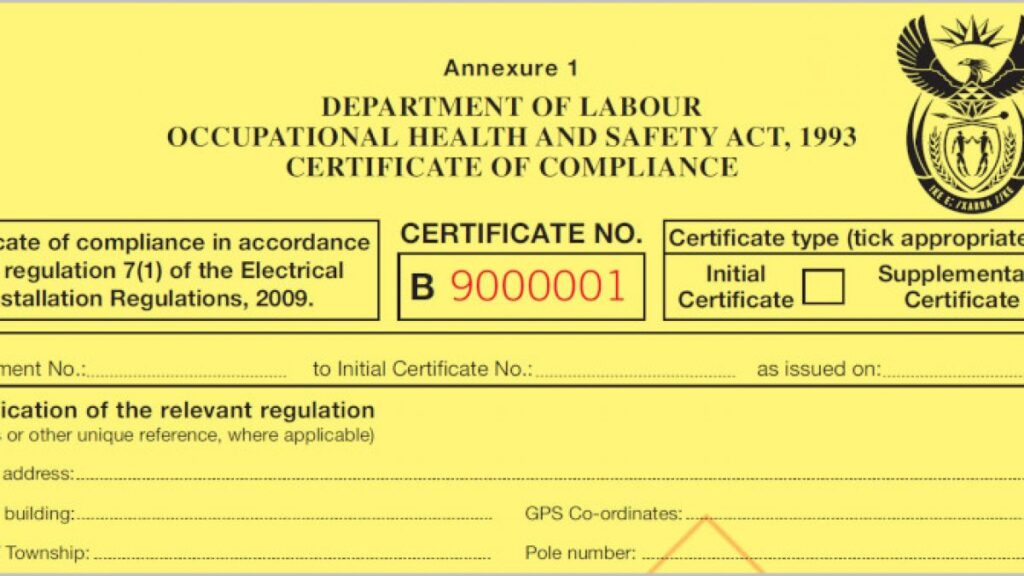
What Is an Electric Fence Compliance Certificate (EFCC)?
An EFCC is a legal document. It states your electric fence installation complies with regulations. It covers earthing with at least three spikes near the energizer and one every 30 meters.
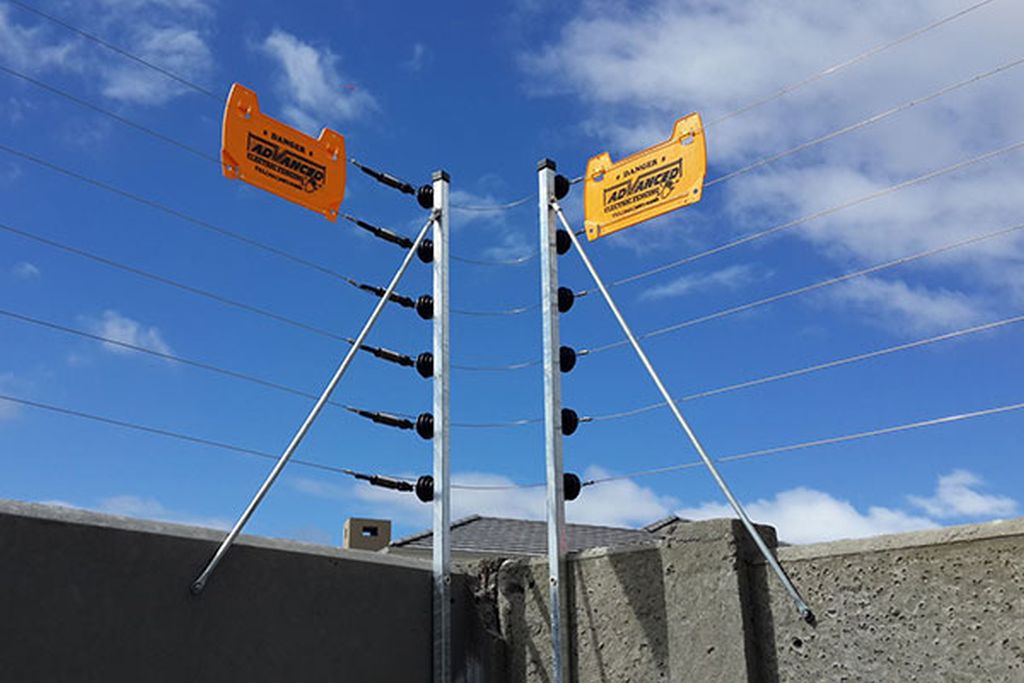
Warning signs must be in English and Afrikaans. They go every 10 meters. Gates stay unelectrified for safety.
Unlike a standard Electrical Compliance Certificate from any electrician, an EFCC comes only from Department of Labour-registered fence installers. JK Armed Response holds full accreditation with SAEFIA.
The certificate lasts indefinitely without changes. Alterations or sales require reissuance. This ensures ongoing safety.
Understanding the laws behind it helps avoid pitfalls.
Legal Requirements for Electric Fences in South Africa
Post-2012 installations demand an EFCC under Electrical Machinery Regulations 2011. This applies nationwide.
Pre-2012 fences are exempt until sold or modified. Then, full compliance kicks in.
Non-compliance leads to Department of Labour fines. Insurance claims get rejected for damages or injuries. Property transfers halt at the Deeds Office.
For shared boundaries, get written neighbor consent. JK Armed Response prepares these forms to prevent disputes.
Statistics show non-compliance is common. In 2023, SABS updated guidelines after rising injury reports from poor installations.
These rules protect everyone. Next, see when you specifically need this certificate.
When Do You Need an EFCC? Solving Common Triggers
Selling your property? The seller provides the EFCC. Without it, the sale collapses.
New installations or upgrades? Certify immediately after work. JK does on-site issuance.
For rentals, landlords supply it to tenants. This avoids liability in disputes.
Insurance claims often require proof. Theft or fault incidents need the certificate for payouts.
In sectional titles, individual units need their own. Body corporates handle common areas. JK certifies both.
Knowing triggers saves time. Here’s how to get yours step by step.
Step-by-Step Guide to Obtaining Your EFCC: Quick and Hassle-Free Process
First, inspect your fence. Look for slack wires or vegetation. Fix these to pass.
Hire accredited experts. JK Armed Response is SAEFIA-registered for Johannesburg.
Our team visits your site. They check earthing, signage, and energizer weatherproofing.
If compliant, get your EFCC same day. Costs range from R1,500 to R2,500 based on fence size.
For fixes, we repair—like adding lightning protection—and re-certify free of extra inspection fees.
This process takes 1-2 days with us. Delays happen without pros. But issues arise often—let’s solve them.
Common Electric Fence Compliance Issues and Solutions
Vegetation shorts circuits. Clear a 1-meter buffer. JK’s R500 monthly maintenance prevents this.
Missing signs fail inspections. Install “Danger/Electric Fence” in official languages. We fit for R200.
Used an unregistered installer? JK re-inspects existing setups. No full reinstall needed.
Sales delays from non-compliance? Our pre-sale audits flag problems early for smooth registration.
Broken insulators cause faults. Replace them promptly. We stock quality parts.
Over 30% of fences fail first inspections due to earthing issues, per industry reports. Proper spikes fix this.
For more on electric fences basics, check Wikipedia’s electric fence page.
These solutions keep you compliant. Now, see how JK helps specifically.
How JK Armed Response Solves Your Electric Fence Compliance Needs
We offer full EFCC inspections. Plus new installations from R15,000 for 100 meters.
Repairs and 24/7 armed response integrate seamlessly. Our tech links fences to monitoring.
With 20+ years in Johannesburg, we boast a 98% first-pass rate. Emergency service same day.
Bundle with monitoring for 10% off EFCC fees. Free quotes at jkarmedresponse.co.za/contact.
One Sandton client faced earthing issues. We fixed and certified in 24 hours, closing a R5M sale.
Our team knows SANS 10222-3 inside out. We train installers annually.
This expertise builds trust. Questions come up often—here are answers.
Frequently Asked Questions About Electric Fence Compliance Certificates
Can a regular electrician issue an EFCC? No. Only registered fence specialists like JK.
What if my fence is pre-2012? Certify on sale or alteration. We provide “good working order” statements otherwise.
How long does it take? 1-2 days with JK. Longer without experts.
Required for sectional titles? Yes for units. Body corporates for shared fences—JK handles all.
Is the certificate valid forever? Yes, if unchanged. But property transfers need a current one, often within 2 years for standard electrical COCs—electric fence aligns similarly.
What about pet control fences? They fall under SANS too, with specific clauses.
These FAQs clarify basics. Ready to act?
Get Compliant Today: Contact JK Armed Response
Risks are real—fines, failed sales, unprotected homes. Book your inspection now.
Visit jkarmedresponse.co.za or call +27 71 014 1221. Secure with Johannesburg’s trusted experts.
We’ve helped hundreds comply. Your turn for peace of mind.
Electric Fence Compliance Certificate Guide for SA Owners
Electric fence compliance certificates are mandatory in South Africa for most installations. They confirm your fence electric fence compliance certificate meets safety standards. Without one, you face fines, delayed property sales, and voided insurance claims. Under the Occupational Health and Safety Act (No. 85 of 1993), all electric fences installed or altered after 1 October […]

One thought on “Electric Fence Compliance Certificate Guide for SA Owners”