
Recent POST

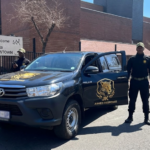

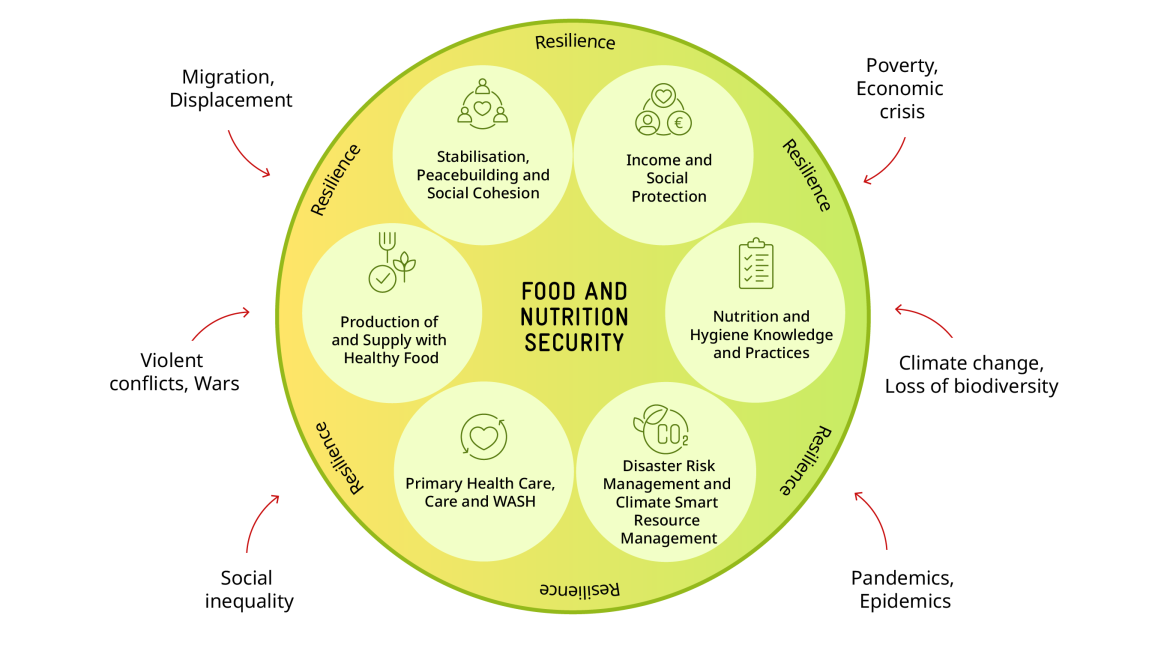
Food security in South Africa faces a critical, physical threat that extends far beyond drought or agricultural policy. Criminal syndicates actively target the food supply chain at every single operational level. From violent farm invasions to coordinated truck hijackings and warehouse theft, physical vulnerabilities directly threaten national food availability.
With over seven years of active duty in armed response and VIP protection across South Africa, I have confronted these operational threats firsthand. Protecting this supply chain requires decisive, tactical, on-the-ground security interventions. Relying on passive measures is entirely insufficient when organized syndicates treat bulk food cargo as high-value, untraceable currency.
The reality of the numbers highlights the severity of this national crisis. Industry reports indicate that food and beverage products account for 22% of all targeted commodities in global cargo thefts. Furthermore, South Africa records over 2,000 truck hijackings annually. These crimes force food logistics companies and local farmers to absorb massive, crippling financial losses.
What exactly does physical food security entail in our current high-risk climate? While economists focus on market pricing, physical food security involves securing the actual journey of agricultural products. It protects the asset from the soil to the retail shelf. This means defending isolated commercial farms, securing vulnerable transit routes, and heavily guarding massive distribution hubs.
When violent criminals disrupt agricultural operations, as seen in the ongoing crisis of South African farm attacks, the entire supply network suffers immediate shortages. Local markets lose fresh produce, and consumer prices artificially inflate.
To understand how to successfully protect this vital network, we must break down the supply chain into three critical risk zones. We will start by examining the physical vulnerabilities at the very source of production.
Securing the Source: Farm and Agricultural Protection
Commercial farms are inherently isolated, making them prime targets for coordinated attacks, equipment sabotage, and large-scale livestock theft. This geographic isolation severely delays standard emergency police response times. This leaves farmers and farmworkers entirely exposed to organized criminal groups. Recent data indicates that regions like Gauteng account for nearly 32% of all farm attacks.
These attacks do not just harm individuals; they systematically halt food production by targeting critical infrastructure. Criminals frequently steal vital farming equipment, expensive solar panels, copper cables, and bulk diesel supplies. Without these specific components, irrigation systems fail, crops die, and the initial stage of the food supply chain collapses completely.
To counter these threats, agricultural operations require specialized, proactive defense strategies rather than reactive panic buttons.
- Perimeter Breach Detection: Install advanced early warning systems, including seismic ground sensors and thermal imaging cameras. These technologies eliminate the enemy’s element of surprise and give tactical teams critical response time.
- Specialized Guarding: Deploy PSIRA-registered tactical armed response units specifically trained for the unique demands of rural sectors. These officers understand the vast terrain and the specific tactics used by agricultural syndicates.
- Proactive Patrols: Conduct routine, randomized mobile patrols to deter opportunistic theft across large properties. These patrols actively monitor highly vulnerable, remote access points like outer fence lines and district dirt roads.
Securing the harvest on the farm is only the first crucial step in the overall process. The absolute highest level of risk occurs the precise moment those valuable goods hit the national road network.
Transit and Logistics: Preventing Food Cargo Hijackings
High-value food cargo, particularly meat, grain, and cold-chain perishables, faces severe risks on major transit routes around Johannesburg. Syndicates view bulk food shipments as ideal targets because the goods are easily dispersed. They are nearly impossible to trace once unloaded into the illicit market. Hijackings frequently occur during peak delivery days, utilizing highly coordinated, violent tactics.
Criminals often employ “blue light” gangs, impersonating law enforcement officers to force logistics trucks to pull over safely. Alternatively, they use “boxing” maneuvers, surrounding a truck with multiple vehicles to force it to a complete stop on the highway. The economic impact is devastating, costing the South African economy billions of Rands annually.
Protecting these mobile assets requires a highly disciplined, intelligence-led approach to logistics security.
- Armed Escorts: Utilize dedicated armed escort services for high-risk, high-value food shipments. This is strictly required when moving through known hijacking red zones or undertaking cross-border transport.
- Journey Management: Conduct thorough route risk-assessments and implement strict journey management planning. Drivers must avoid predictable schedules and bypass known high-risk intersections.
- Rapid Intervention: Establish immediate, rapid armed response protocols for any transport vehicles. If a truck deviates from planned routes or suddenly loses tracking signals, tactical teams must intercept immediately.
Once the cargo successfully survives the dangerous transit phase, it faces an entirely new set of complex threats at its final destination.
Guarding the Hubs: Warehouse and Cold-Chain Security
Major distribution centers and fresh produce markets in commercial hubs face dual threats. They must defend against organized external syndicates and internal employee collusion. Insider threats contribute significantly to massive inventory shrinkage in the modern logistics sector. Unauthorized access and poor dispatch verification allow mass-scale theft to go completely unnoticed until the final audit.
Cold-chain facilities are particularly vulnerable during the loading and offloading phases at the dispatch bays. Criminals quickly exploit these busy, chaotic environments to bypass standard security checks. They often coordinate with corrupt drivers or compromised warehouse staff to load extra pallets. Securing these massive facilities requires a strict, uncompromising, zero-tolerance approach.
To secure these vital distribution hubs, facility managers must implement comprehensive physical security overlays immediately.
- Strict Access Control: Enforce rigorous access control utilizing highly trained male and female security officers. They must meticulously manage all personnel and vehicle flow, preventing unauthorized entry at all times.
- Integrated Monitoring: Install high-definition, 24/7 CCTV monitoring systems across the entire facility footprint. These cameras must be directly integrated with on-site tactical guarding operations for immediate incident response.
- Zero-Tolerance Searching: Implement rigorous, randomized search protocols for all staff, contractors, and departing vehicles. Thorough physical searches completely eliminate internal inventory shrinkage and deter future collusion.
Protecting these three pillars of the supply chain requires a dedicated, professional security partner who understands the local landscape.
Why JK Armed Response is Your Partner in Food Security
Securing the food supply chain requires a partner with deep local expertise and a relentless, unwavering commitment to physical protection. JK Armed Response provides comprehensive, tactical security solutions tailored exclusively for the agricultural and distribution sectors in South Africa. We understand the highly specific threats facing Johannesburg and its surrounding commercial hubs.
Our operations strictly adhere to all private security regulatory standards, utilizing only fully vetted and highly trained personnel. We deploy both male and female guards to ensure complete operational flexibility and comprehensive search capabilities at your facilities. We do not just passively observe; our tactical teams actively deter, intercept, and secure your critical business assets.
True food security in South Africa starts with securing the physical assets that produce and deliver that food to the people. We have the exact experience, the strategic mindset, and the tactical capability to harden your supply chain. Protecting your agricultural or logistics business means directly protecting the nation’s vital food supply from organized crime.
Do not let physical vulnerabilities threaten your agricultural output or your logistics distribution network. Visit jkarmedresponse.co.za today to schedule a targeted risk assessment and secure your vital link in South Africa’s food supply chain.
Food Security: Protecting the SA Supply Chain from Crime
Food security in South Africa faces a critical, physical threat that extends far beyond drought or agricultural policy. Criminal syndicates actively target the food supply chain at every single operational level. From violent farm invasions to coordinated truck hijackings and warehouse theft, physical vulnerabilities directly threaten national food availability. With over seven years of active […]

One thought on “Food Security: Protecting the SA Supply Chain from Crime”