
Recent POST


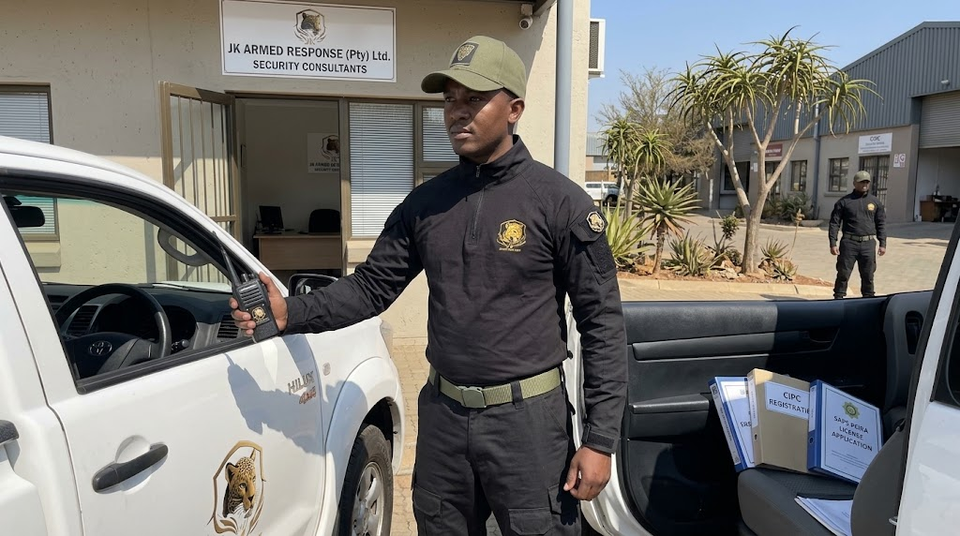
Learning how to start a security company in South Africa requires navigating strict PSIRA registration, SAPS firearm compliance, and robust tactical infrastructure. To launch legally, business owners must register both the entity and directors with PSIRA, obtain COIDA clearance, align with local police forums, and secure high-grade tactical assets. At JK Armed Response, we provide industry-leading guidance and tactical partnership models to help prospective security operators build fully compliant, high-performing security outfits across South Africa.
Navigating the South African Private Security Industry Landscape
Operating a private security company or armed response outfit in South Africa is an immense responsibility. Due to high local crime rates, property owners and businesses demand rapid response times, highly trained personnel, and total reliability. Building a sustainable security brand requires more than just buying patrol vehicles—it demands unyielding regulatory compliance, strategic site planning, and continuous operational readiness.
Whether you are launching a residential neighborhood watch support team, a commercial guarding outfit, or an elite tactical armed response unit, adhering to national legal standards is non-negotiable.
5 Essential Steps to Launch a Legally Compliant Security Company
Starting a private security enterprise involves a clear, sequential operational pipeline:
- Company Registration (CIPC): Register your private company (Pty Ltd) with the Companies and Intellectual Property Commission.
- PSIRA Entity & Director Registration: Every director must hold valid PSIRA Grade A or B clearance before registering the corporate entity with the Private Security Industry Regulatory Authority (PSIRA).
- SAPS Firearm Licensing & Accreditation: To offer armed response services, your business must register as a Business Firearm Owner under the Firearms Control Act (Act 60 of 2000) with the South African Police Service (SAPS).
- COIDA & Statutory Compliance: Register with the Compensation Fund for COIDA (Compensation for Occupational Injuries and Diseases Act), SARS for tax, and adhere to Bargaining Council wage structures.
- Control Room & Fleet Infrastructure: Establish an ICASA-compliant radio communications network, 24/7 off-site monitoring capabilities, and backup power systems to maintain operational continuity during load-shedding.
Regulatory Compliance & Setup Investment Matrix
To help you understand the core requirements and resource allocation needed, review the breakdown below:
| Setup Component | Regulatory / Technical Requirement | Primary Authority | Operational Impact Level |
| Director Certification | Grade A/B Security Officer Status | PSIRA | Mandatory (Legal Prerequisite) |
| Corporate Registration | Business PSIRA Certificate | PSIRA | Mandatory (Annual Renewal) |
| Armed Capability | Business Competency & SAPS Licences | SAPS (FCA) | Critical for Armed Response |
| Frequency Licences | Two-Way VHF/UHF Radio Spectrum | ICASA | Critical for Fleet Dispatch |
| Staff Welfare | COIDA & Provident Fund Compliance | Dept. of Employment & Labour | Mandatory (Legal Safeguard) |
| Power Resilience | UPS, Solar & Inverter Backup Systems | Internal Infrastructure | Critical During Load-Shedding |
Operational Excellence: Fleet, Equipment, and Tactical Dispatch
Once legal compliance is secured, your operational performance dictates market success. Top-tier private security providers rely on three core pillars:
- High-Visibility Tactical Patrols: Fleet vehicles equipped with GPS tracking, dashcams, and automated dispatch routing ensure rapid arrival times.
- Resilient Infrastructure: Control rooms backed by dual-UPS systems and lithium battery banks remain 100% operational through all stages of load-shedding.
- Advanced Officer Training: Tactical armed response officers require continuous tactical firearm handling, close-quarters combat, advanced driving, and medical first-responder training.
Frequently Asked Questions (PAA)
How long does it take to register a security company with PSIRA in South Africa?
Processing times for corporate PSIRA registration typically range between 6 to 12 weeks, provided all directors possess active Grade A or B personal certifications, clear criminal checks (SAPS clearance), and submitted tax compliance certificates.
How much capital is required to start a small security outfit?
Initial capital requirements vary significantly depending on scope. A basic guarding company requires startup capital for registration, uniforms, equipment, and insurance, while an armed response unit requires additional capital for accredited firearms, armored vehicles, control room hardware, and ICASA radio frequency licensing.
Can I run an armed response company without SAPS business firearm licenses?
No. Operating an armed response service without valid SAPS business firearm accreditation and individual competency certificates for response officers is a severe criminal offense under the Firearms Control Act.
Partner with JK Armed Response for Uncompromising Security Solutions
Building a safer South Africa requires strategic collaboration, unyielding integrity, and elite tactical capability. Whether you require expert guidance on fleet integration, sub-contracted tactical armed backup, or dedicated commercial guarding services, JK Armed Response sets the gold standard in private security.
Protect your assets with tested, rapid-response tactical teams.
[Request a Free Security Risk Assessment Today] — Contact JK Armed Response now to secure your property, business, or community with South Africa’s elite protection specialists.
How to Start a Security Company in South Africa Guide
Learning how to start a security company in South Africa requires navigating strict PSIRA registration, SAPS firearm compliance, and robust tactical infrastructure. To launch legally, business owners must register both the entity and directors with PSIRA, obtain COIDA clearance, align with local police forums, and secure high-grade tactical assets. At JK Armed Response, we provide […]
